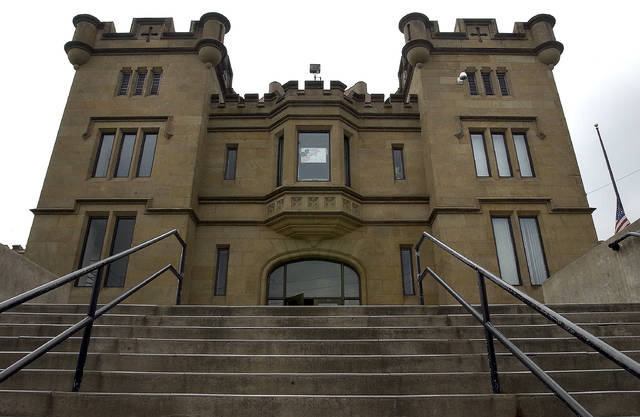
Someone stole a candy bar worth less than $2 and then missed a court hearing on the theft charge, resulting in a bench warrant that landed the accused in the Luzerne County prison for a night of lodging that cost taxpayers $110.
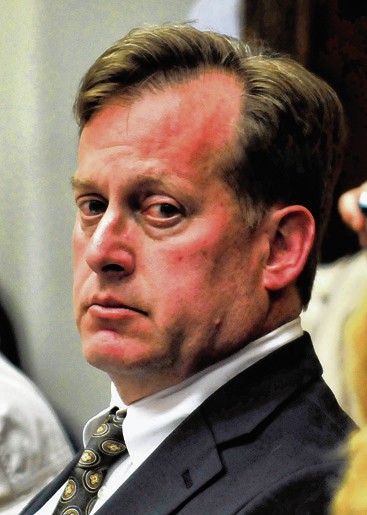
“It would have been cheaper for the county to buy this person the candy bar instead of paying for jail,” said Jacob Sills, who cited the case as one of the most frustrating he’s found in county case files.
Sills, head of Uptrust Inc., is dissecting the records as part of his company’s pilot program using text message reminders of court dates and other outreach to reduce the number of offenders who land in prison for failure to appear.
Uptrust developed a computer program to address the issue because it says millions of people are jailed annually across the country due to missed court hearings, wasting money that could be better spent serving public needs.
County Chief Public Defender Steven Greenwald retained Uptrust earlier this year as part of his quest to reduce prison lodgings. In addition to the taxpayer cost, the avoidable prison stays may cause the accused to lose their jobs or housing, he said.
“This has a tremendous effect on society as a whole,” Greenwald said. “I want to solve the problem, and this is different people addressing the issue.”
The text messaging implemented in January worked.
Sills came up with brief, friendly text reminders that address offenders by their first name and contain no legal jargon or threatening warnings that could confuse or intimidate recipients.
If offenders are employed, an automatic text reminds them a week before their court date to request permission for the day off. Sills added this feature because his research showed some offenders had blamed their failure to appear on their work schedule.
Another reminder about arranging babysitting is sent to offenders with children.
Message recipients also have an option to text back questions or information for the public defenders assigned to their cases.
For example, one offender replied that he was unable to attend a hearing because he was at a funeral out of state. Because this information was conveyed, the assistant public defender was able to secure a new court date, Sills said.
Attorneys receive and send replies through the Uptrust computer program instead of cell phones.
The percentage of failures to appear has dipped below 5 percent for public defender clients since the text alerts were added, compared to an estimated 15 to 20 percent before, Sills said.
But even though the rate was down, Sills and Greenwald were dissatisfied because too many offenders were still lodged in the prison for missing court. As of last week, the year-to-date count was 400 people.
Police officers and sheriff deputies had to take time away from other duties transporting these 400 to the prison, Sills said, noting some of these missed court dates were from prior years.
Poring over case files, Sills found most of those still ending up in prison had not submitted applications requesting public defender representation, even though they were income eligible. Ignorance was not necessarily an explanation because some of these offenders had obtained public defenders for past offenses, Sills found.
Greenwald and other staffers are working with Uptrust to develop handouts that can be issued to offenders by police or others urging offenders to access public defender’s office services sooner. The wording will be in layman’s terms.
Sills also suggested reaching out to organizations that work with low-income residents urging them to stress the benefits of early engagement with the public defender’s offices.
“I think the solution here is about marketing, if you can believe it,” Sills said. “How do you engage someone before they have a lawyer.”
Online posting of court hearing schedules is another option officials are considering as part of a county website upgrade.
Sills, who is charging the county a discounted $9,000 for six months of text alert services, said most of the offenders missing court hearings were arrested for misdemeanors — approximately 20 percent for retail theft.
Offenders have listed fear, confusion and a perceived lack of incentives among the reasons they missed court hearings. One man he interviewed in prison in another area said he missed court hearings 17 times because he believed the criminal justice system was out to get him.
Missed hearings can prompt judges to view offenders as flight risks, which in turn may lead to higher bails that can’t be met to avoid incarceration.
“Why not try to solve the underlying problem, which is figuring out how to get people to court?” Sills said.