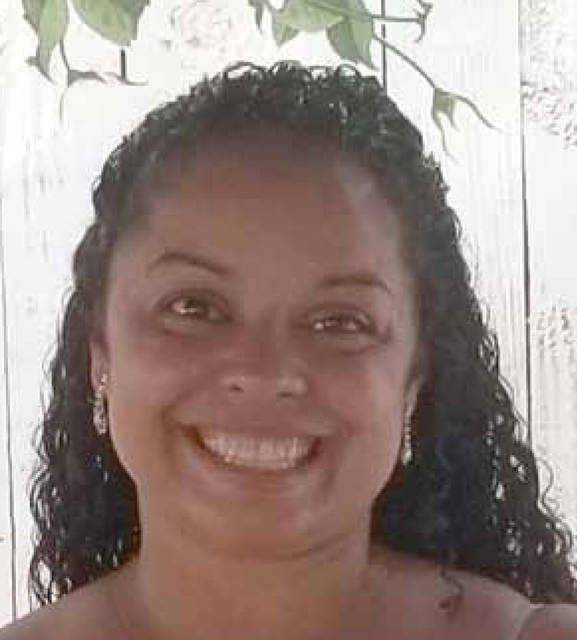
Debbie Griesing said she is in mourning and pressing for answers on what happened to her daughter, who was among the three Luzerne County prison female inmates who died in June and July.
“She was my baby,” said Griesing, who lives south of Hazleton in Tamaqua. “I just don’t want people to think she was a number. She did have a family who loved her.”
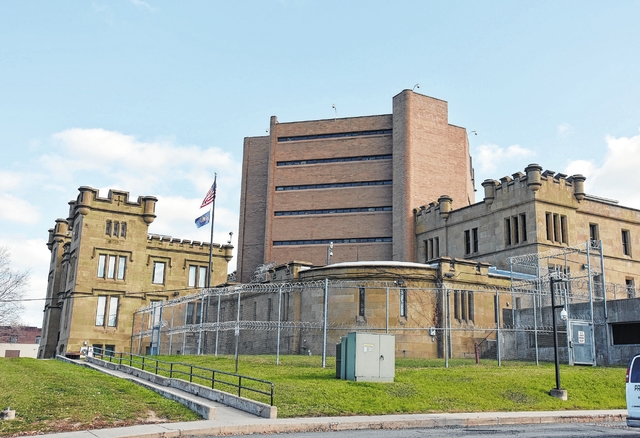
Her 23-year-old daughter, Hazleton resident Brooke Griesing, used a sheet to hang herself inside the prison on Water Street in Wilkes-Barre on June 8, according to information from her mother and officials.
She was lodged in the prison after being unable to post bail following her June 6 arrest for theft, receiving stolen property, drug possession and a summary traffic offense, court records show.
Debbie said her daughter was not suicidal and believes her thinking was altered due to the effects of heroin withdrawal behind bars. She questions what precautions the prison takes to ensure the safety of inmates in this situation.
“Without a doubt she was withdrawing from heroin,” she said. “I’ve researched that people going through heroin withdrawal can go crazy. They call it being ‘dope sick.’”
County council candidate Sheila Saidman raised this issue during a council meeting in August, requesting a discussion on protocols for inmates withdrawing from opioids as part of the county’s review of the prison deaths.
“Sometimes the complete cutting off of that opioid or that drug can in itself cause reaction,” Saidman, a retired attorney, told council.
County Correctional Division Head Mark Rockovich said Friday the prison has a medical detoxification procedure for all drugs and alcohol.
Prison medical staffers closely monitor inmates in withdrawal, check their vital signs at strict intervals and administer medication as needed, he insisted.
“We do what we can to stabilize the effects,” said Rockovich.
Rockovich said he can’t detail which medications are supplied to inmates, even in general terms, but acknowledged they do not receive buprenorphine, which is used to reduce symptoms in some opioid detoxification programs. Methadone, another medication-assisted treatment for opioid addicts, is arranged only for inmates who are pregnant to protect the safety of unborn children, he said.
Statistics on the number of incoming inmates in opioid withdrawal were not readily available, but Rockovich said there has been an increase in recent years.
Detecting withdrawal is a challenge because some inmates are not forthcoming about the extent of their drug use when they are booked, even though it’s in their best interest to alert medical providers, Rockovich said.
‘Don’t want anything’
Family members of Griesing have retained Kingston attorney Eugene Sperazza to represent their interests and conduct an “initial investigation into the facts and circumstances surrounding her untimely death,” his office has said.
Debbie said she wanted to speak out publicly, against the advice of her attorney, after recently receiving copies of news articles reporting concerns expressed by the mother of inmate Tricia Cooper, who died July 25, also following a hanging inside the prison.
The July 7 death of inmate Joan Rosengrant was ruled accidental; it was caused by the combined effect of prescription drugs complicated by her unspecified physical condition, the coroner’s office determined.
“Two girls died after Brooke. What’s going on in that jail?” Debbie asked.
She stressed her legal inquiry may not result in legal action. A monetary award, if any, would solely go to Brooke’s 7-year-old son, who lives with another family member, she maintained.
“I don’t want anything,” she said.
Debbie said her daughter was “not perfect” and that she stole to feed her drug habit.
“She was not a bad person. She just needed help,” she said. “I know the prison is not a day care, but these are human beings.”
County Manager C. David Pedri told council members this week that examining the deaths remains a top priority.
“I wanted to let you know that we are in the process of trying to do everything we possibly can to address these things,” Pedri said.
The prison is working with the county mental health and developmental services office to secure social workers to participate in suicide screenings of new inmates and provide additional training to employees, Pedri said.
Rockovich also has reached out to numerous correctional facilities locally and across the state seeking new ideas to detect suicides, according to Pedri.
In the meantime, he said the county’s medical assistance provider is working with the prison to furnish emergency psychiatric intervention.
Another change includes an additional questionnaire being required at intake.
Rockovich had previously outlined other steps the prison already followed to detect suicide risk, including training programs for all correctional officers, forms that must be completed by police officers transporting inmates to the facility, and questionnaires administered by both prison staffers and nurses.