
DePasquale
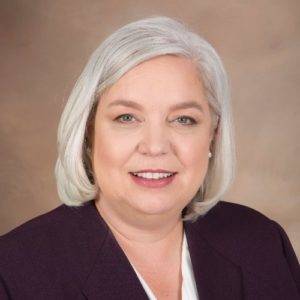
While Pennsylvania’s 14 community colleges have lost an estimated $100 million due to the COVID-19 pandemic, they remain among the most flexible places for those seeking more education or training as the pandemic shifts the job landscape, an advocate said during a Monday live chat with State Auditor General Eugene DePasquale.
Elizabeth Bolden, president and Chief Executive Officer of the Pennsylvania Commission for Community Colleges, joined DePasquale for chat streamed live on his Facebook page, with the topic of how the pandemic is impacting the colleges. She started by pointing out that the 14 institutions, including Luzerne County Community College, are “the largest provider of public post-secondary education in the Commonwealth,” with nearly 300,000 students each year at 100 campuses and locations.
If you include day care and camps for younger children, the schools serve those ranging from toddlers to senior citizens she added.
Like other institutions of higher education, community colleges went fully remote in the spring, and are working hard to be as flexible as necessary as classes resume this fall, she said. They are in a strong position to help those who find themselves out of work and in need of new skills.
“In the last recession community colleges did see a significant increase in enrollment,” Bolden said, in part because jobs disappeared and people needed retraining. The pandemic has added another dimension: People have found themselves becoming the caregivers for family members, or just don’t want to be at a distant school while their parents of others are at risk of contracting the new disease.
“Community colleges are very flexible and nimble,” Bolden said, “Even before COVID we had about 175 programs that could have been completed entirely online. Community Colleges have tutoring services and other services online.” One survey found one-third of students using such online services were doing so between 10 p.m. and 2 a.m.
“We think it’s people who have one or two jobs. We think it’s people that are taking care of family members and when the day settles they take that time.” Some programs are offered at night or on weekends so those who do have a job can work and still learn new skills.
Community colleges are also responsive to local demand, Bolden said, working with area employers to create programs that prepare students for the available jobs. They can save a lot of money for students seeking a four-year degree because they have articulation agreements with many four-year schools.
One study suggested students “can save up to $20,000” by attending community college for the first two years of a bachelor’s degree, Bolden said.
Reach Mark Guydish at 570-991-6112 or on Twitter @TLMarkGuydish