SCRANTON — Fifty-eight years ago, a horrific mine flood in Port Griffith near Pittston devastated the local mining industry, according to experts. Twelve miners were lost on that day in what is known as the Knox Mine Disaster.
The anniversary of the event was commemorated on Saturday at the Anthracite Heritage Museum in McDade Park in Scranton.
About 100 mining enthusiasts along with friends and family members of people who were involved with the mine and the local mining industry gathered to share their memories and learn.
They heard poetry about the disaster and the lives of people involved in the anthracite industry read by Erika Funke and Frank Tartella. They listened to coal-mining-related music and reviewed photos and videos of the event.
Audrey Baloga Calvey embroidered a large needlework that honors her father, John Baloga, who was lost that day. It also pays homage to the other lost miners.
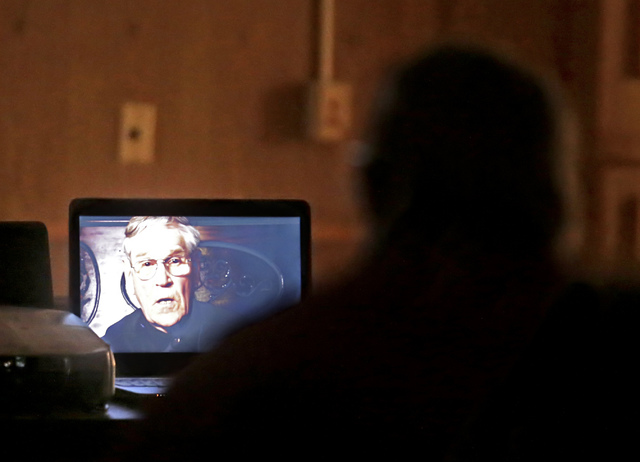
William Hastie, the last surviving employee of the Knox Coal Company and well-established orator of the disaster, also was honored. Filmmaker David Brocca from Los Angeles, who has roots in northeast Pennsylvania, produced a video about Hastie that explored his dedication to educating the public about what happened on that fateful day.
Brocca has also produced a full-length documentary about the disaster, chronicling the event from the day it happened until the end of the investigations and legal hearings. In it, he incorporates in-depth interviews of the people involved and an array of news footage from the event.
The Knox Mine Disaster is a “powerful story,” according to Bode Morin, site administrator at the Anthracite Museum. When the ice-laden waters of the Susquehanna River rushed into that mine, it ushered in the “final moment of local deep mining,” he said.
“The anthracite industry is the whole reason we live in northeast Pennsylvania,” Morin said. “Anthracite powered the Industrial Revolution. It was the first mass-produced and mass-available fuel,” he added.